Ligament injuries can be difficult to detect
Instability may not show up on standard exams

After a car accident, ligaments can become stretched or damaged, leading to joint instability and ongoing discomfort. These injuries are not always visible through standard imaging or basic exams.

Without proper testing, ligament damage may go undiagnosed and continue to affect movement and stability.

bandaging-a-knee-outdoors-after-a-sports-injury-2026-03-25-03-16-23-utc.jpg

What ligament laxity testing can help identify
Conditions related to instability and soft tissue damage
  • Ligament damage
  • Joint instability
  • Excessive joint movement
  • Chronic pain after injury
  • Unresolved symptoms
  • Soft tissue injuries
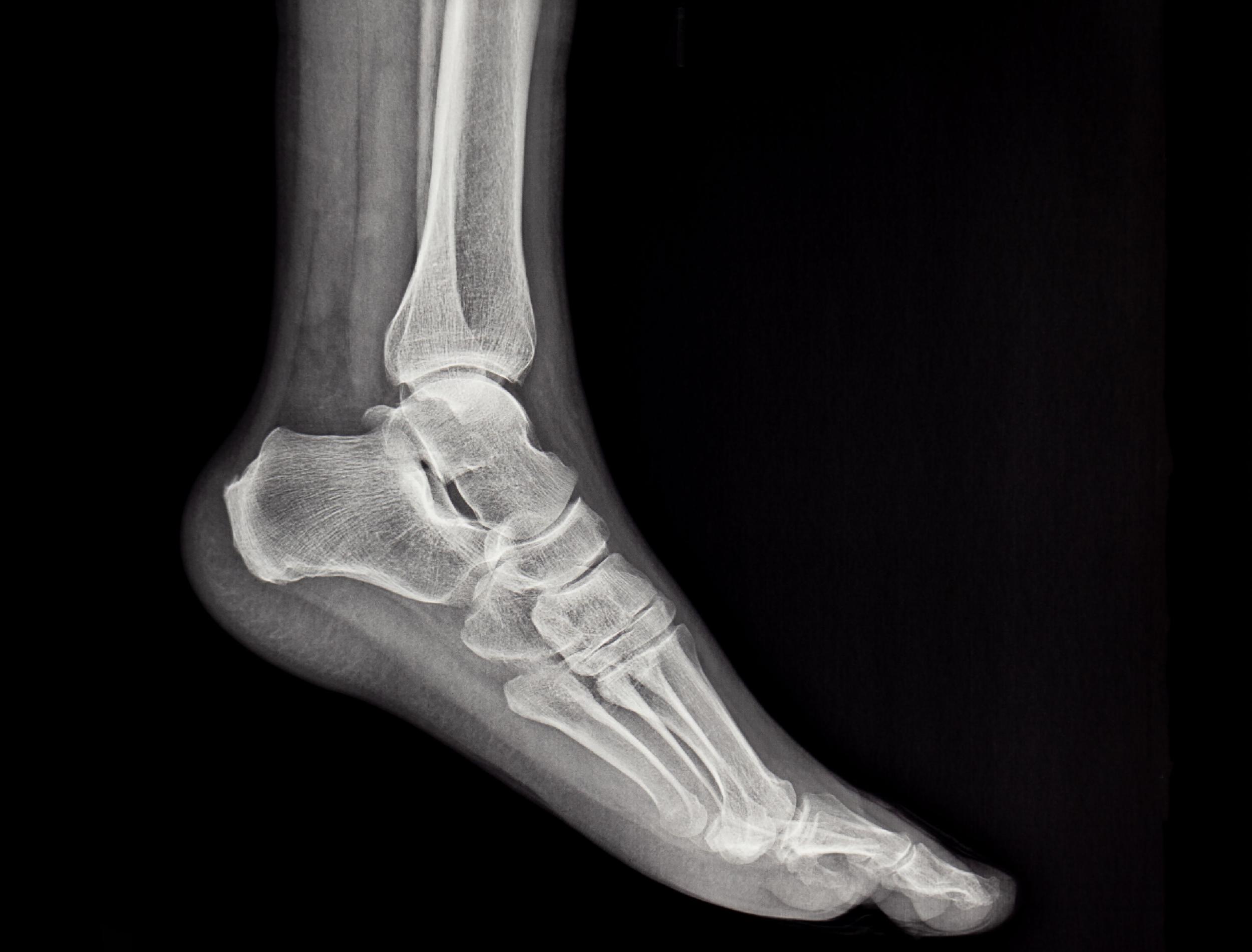
medical-x-ray-showing-foot-and-ankle-anatomy-2026-03-18-05-41-26-utc.jpg

How the testing process works
Detailed evaluation of joint movement

During testing, your joints are evaluated to assess movement and stability. Specialized techniques are used to determine whether ligaments are functioning properly.

The results help guide your treatment plan and ensure the right approach to recovery.

medical-presentation-black-woman-presenter-and-he-2026-03-09-02-32-58-utc.jpg

Accurate diagnosis for better recovery

Focused on identifying the root cause

Get a complete evaluation
Call now to schedule your visit
If you’re experiencing ongoing pain or instability after an accident, ligament laxity testing can help identify the cause.

Call now to schedule your evaluation.